
Inventory (part C)
All about the sheep

Clearly I have limited/no discipline when it comes to posting here. I do plan on posting on semi-regular occasions, however I am known for my consistent inconsistency. Having presented all my non-wool handspun inventory, I turn to the the largest, and most common category. This post will be just wool, I’ll do another that is wool blends. If anything grabs someone’s fancy across these pages, I am selling some of my work, both yarn and handwovens.
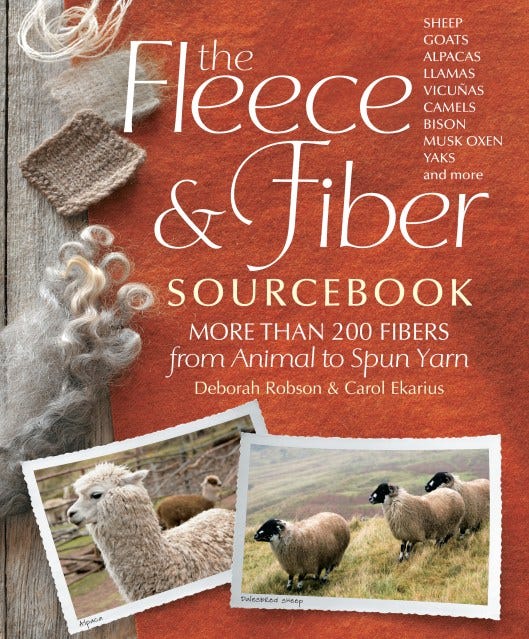
I’m enjoying, and hope at least some of you are as well, giving some background about the fiber. I’ll be leaning on my fiber bible The Fleece and Fiber Sourcebook, pretty heavily for this post.
We’ll start with something that I have no clue about its pedigree. As noted before, I started spinning with little organization, and have over time tried several methods. I should probably go the 3-ring binder route to better preserve samples, but at least I do a better job of noting particulars (as well as labeling the actual work).
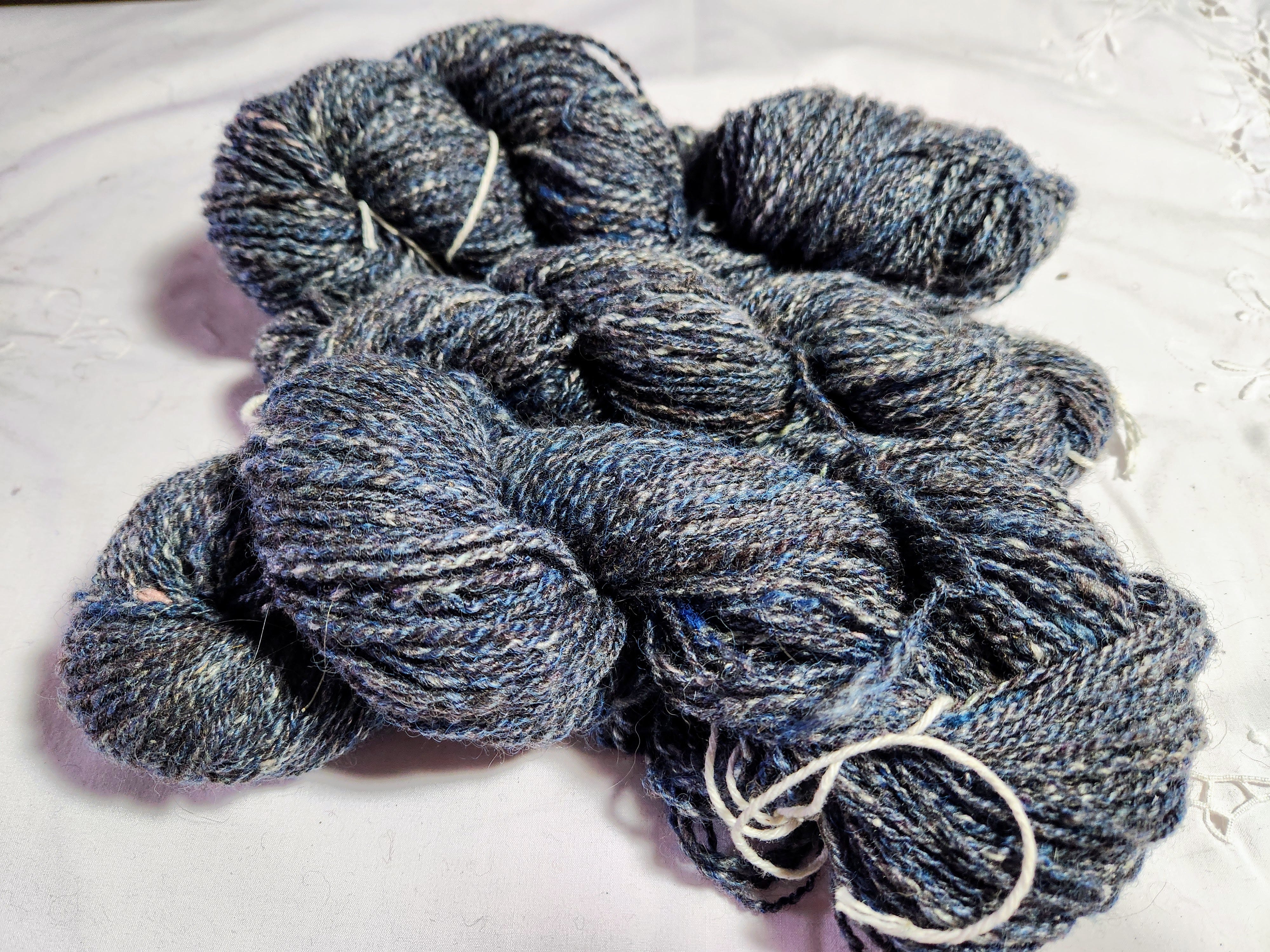
No clue as to anything beyond it being wool. The picture does not do it justice - the color is much more saturated. It’s about a DK weight, and I’m thinking it work well for a scarf.
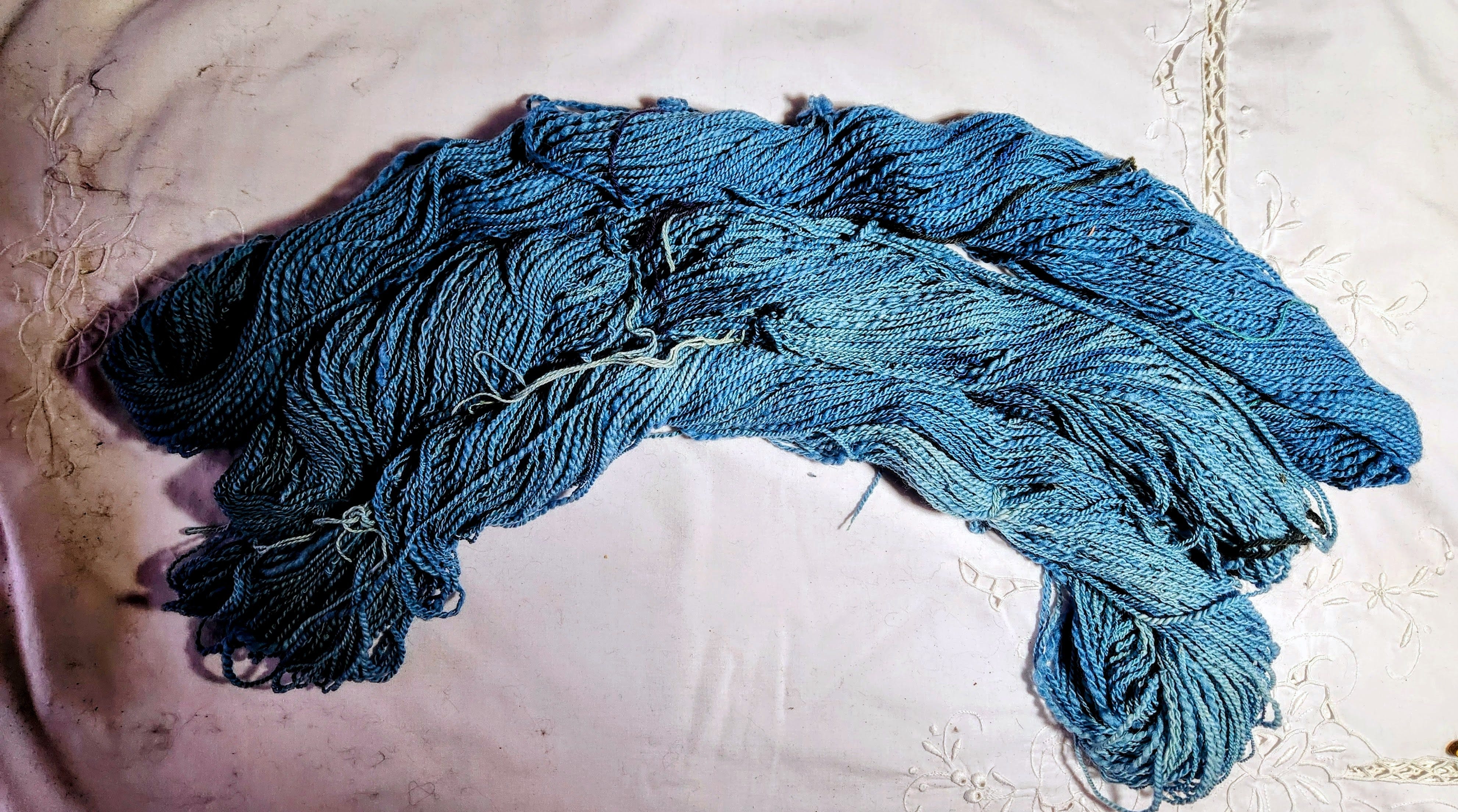
These three skeins are Coopworth, and are one of the few examples of my doing any dying. They are all from the same indigo dyebath, just done with a differing number of dips into the dye. This Coopworth is some of the first fiber I bought, and I remember getting it at Oregon Flock and Fiber in the 2010s.
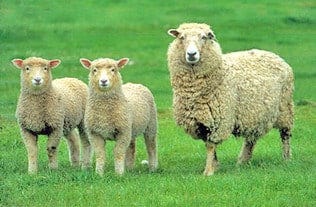
Coopworth is a modern breed developed by researchers in New Zealand in the 1950s including one Ian Coop, which they are named for. They were developed by crossing Border Leicesters and Romneys. Their fiber can vary a lot, but is best for outerwear.
Next are two different colorways but the same sheep breed (Polwarth) and from the same dyer. These are Polworth, from Kelpie Fibers, which appears to be no longer be in business. Kids, don’t grow up to be a fiber artist, or at least to rely on it for your income - it’s a hard row to hoe (web to weave?)


The colorways are called “High Garden” and Kingswood, and you can see they are quite lovely. I do not remember how/why the colors were so separated on High Garden, but there’s no end to the variation of ways to process colorways.
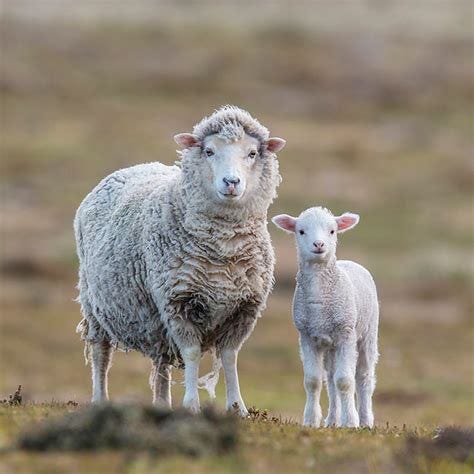
Polwarth (which I have been spelling wrong!) is another Antipodean breed, named for the county in SW Australia in the late 1800s where is was developed by crossing Merino rams with Merino/Lincoln ewes until the cross bred true to themselves. They were bred specifically to be good for both fleece and meat. Or as the Polwarth Sheep Breeders Association of Australia slogan goes “Can’t be beat for wool or meat.” Fairly fine fiber (21-26 microns*). It’s a fairly fine, soft fiber that can be used for next-to-the-skin articles of clothing. Interestingly, while there are Polwarth in South America, there are non in North America.
* Micron values are very determinative in fiber quality. They directly affect the texture, durability, and general feel of the final yarn. Other factors are influential, but the feel on the skin is primarily determined by fiber thickness. Lower micron values indicate finer fibers, while higher values correspond to coarser fibers. Micron values range from as low as 8 for a vicuña, a wild relative of llamas and alpacas, through Merino which can range from 18 - 28, to coarser sheep wools which are often 30 microns and above. As a point of reference, human hair has a thickness of 50 to 150 microns.


Next is some fiber from Wild Wool Farms, mostly Corriedale wool with a hint of rainbow Firestar in a colorway named Marianas Trench. Firestar is a sparkly nylon fiber, and Corriedale is another breed developed in New Zealand (remember they have a 10:1 ratio of sheep to humans), again in the 1880s. This is a Lincoln, perhaps some Leicesters crossed with Merinos to create a breed that did well in intermediate grasslands. The name comes from a ranch where a major developer was the manager. It is a medium soft fiber, usually around 25-31 microns, and is very durable.
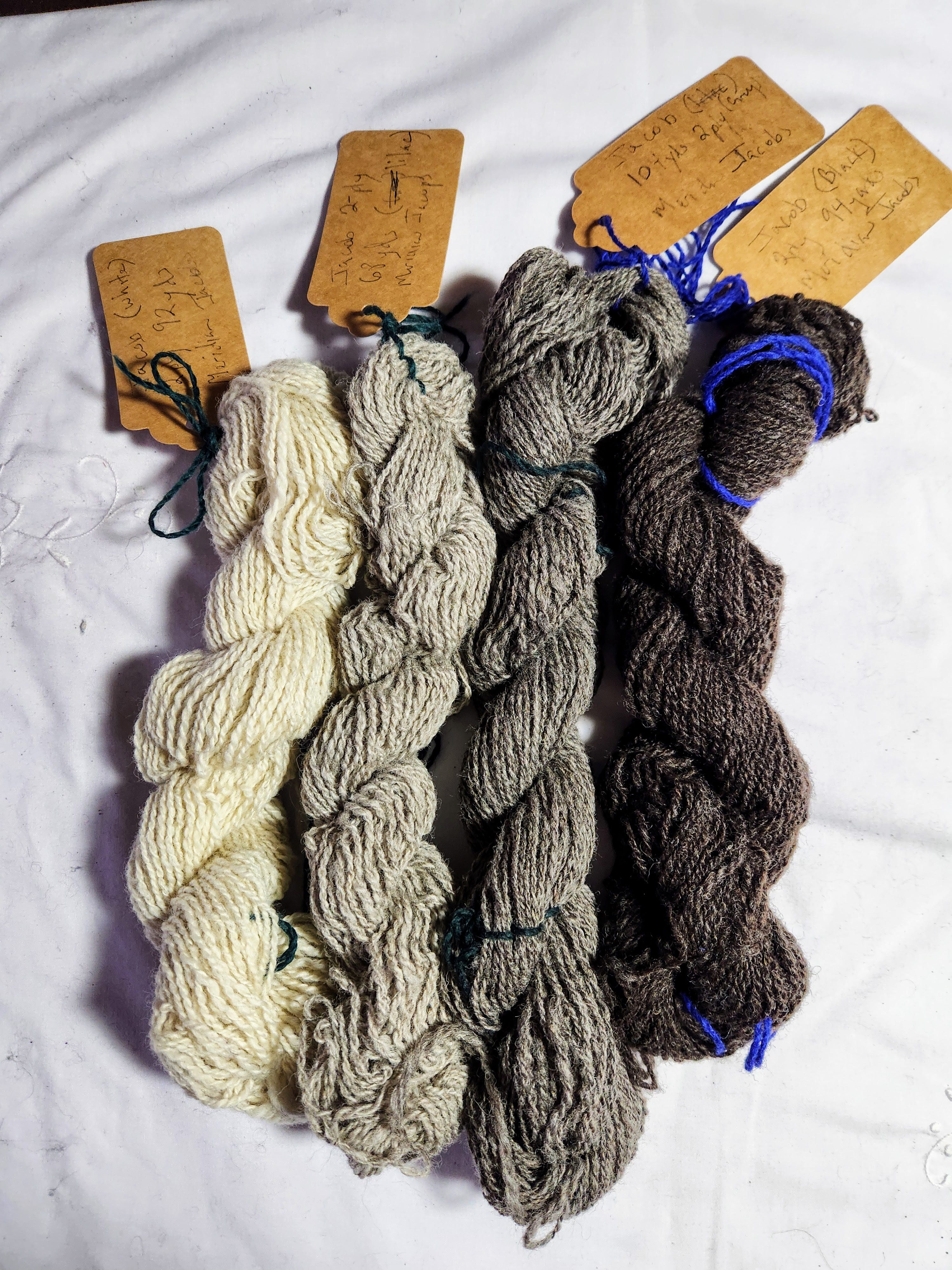
And now we move in the opposite direction with this quartet of Jacob yarn, colors white, lilac, grey and black. I purchased this from the breeder, Meridian Jacobs at the 2023 Lambtown. It is not the softest, but incredibly springy and fun to spin.
Jacob Sheep are wonderful and amazing. Named for Jacob from the Bible who asked of his father-in-law if he could keep all the spotted sheep for his labor. G-d told him in a dream to only breed the spotted rams and he wound up with all spotted sheep. That said, the sheep breed we know as Jacob to not have any genetic links to biblical flocks. They have been bred in England for several centuries. Jacob sheep are most well known for their multi colored coats and are polycerate having 2, 4 or 6 horns. Historically, they were bred to be ornamental, now in England they are bred mostly for meat, whereas in North America they are smaller and closer in appearance to the old-style sheep. Their coats vary widely, including within one fleece and different colors. The English wool tends to be coarser and mostly blended, whereas the North American fleeces are finer and often provided separated by color.
Here’s an odd side note. A fatal genetic disease found in Jacob sheep turns out to be related to the human disease Tay-Sachs, and carriers are now being used to test a gene therapy and could save the sheep, and also the human babies who dye from Tay-Sachs.
Aaaaand obviously I left this sitting for way too long, so I’ll post it now. Next/last in this series for now will be the wool blend yarns. I am regretting not adding more info earlier in this set of posts. As the repository of a fair amount of obscure and mostly useless/extremely specialized knowledge, as well as a no-longer-professor-but-lifelong-educator, I enjoy sharing information and knowledge.
Fascinating details regarding the fine points of spinning wool and skeins of absolutely beautiful, vivid and varying colors. You are SO talented; thank you for sharing all of this, spinning wheel whisperer!